

Solution Santé offers physiotherapy care in Saint-Eustache for clients seeking personalized support for mobility, muscle tension, posture, stiffness and functional comfort, with sessions adapted to your body, your pace and your daily movement needs.
Physiotherapy
Physiotherapy
Service details
Care focused on mobility, muscle comfort and movement
Physiotherapy at Solution Santé combines manual therapy with movement-focused support to help clients better understand how their bodies move, compensate, and respond to the demands of daily life. It is often chosen by people experiencing stiffness, muscle tension, postural discomfort, reduced mobility, or recurring discomfort related to work, sports, stress, or repetitive habits.
Read more...
Each session begins with listening. Your therapist takes the time to understand your reasons for seeking help, how your discomfort affects your movements, which activities seem limited, and what you would like to improve. The session is then tailored to your needs, your comfort, and your body's response.
Physiotherapy can be beneficial for clients who want more than just a relaxation session. The approach can be more active, precise, and progressive, while remaining respectful of your limitations. It may include manual therapy, treatments focused on mobility, muscle release, postural awareness, and follow-up tailored to your goals.
Physiotherapy can support:
- Mobility and ease of movement
- Muscle relaxation
- Postural comfort
- Everyday functional comfort
- Recovery after physical exertion
- Reducing stiffness
- Improved body awareness
- Supporting repetitive movement habits
- The comfort of active lifestyles
- Regular care for recurring tension
Our detailed treatments
At Solution Santé , care begins with listening.
Solution Santé offers physiotherapy treatments with complementary approaches that can be adapted to your body, your comfort, and your goals. These treatments can support mobility, muscle comfort, posture, recovery, and functional ease.
IASTM for tissue mobility and tension zones
Instrument-assisted soft tissue mobilization, often called IASTM, uses a specialized tool to work on soft tissues that feel dense, restricted, tender, or affected by repetitive strain. In physiotherapy, this approach can be incorporated when an area requires more targeted attention.
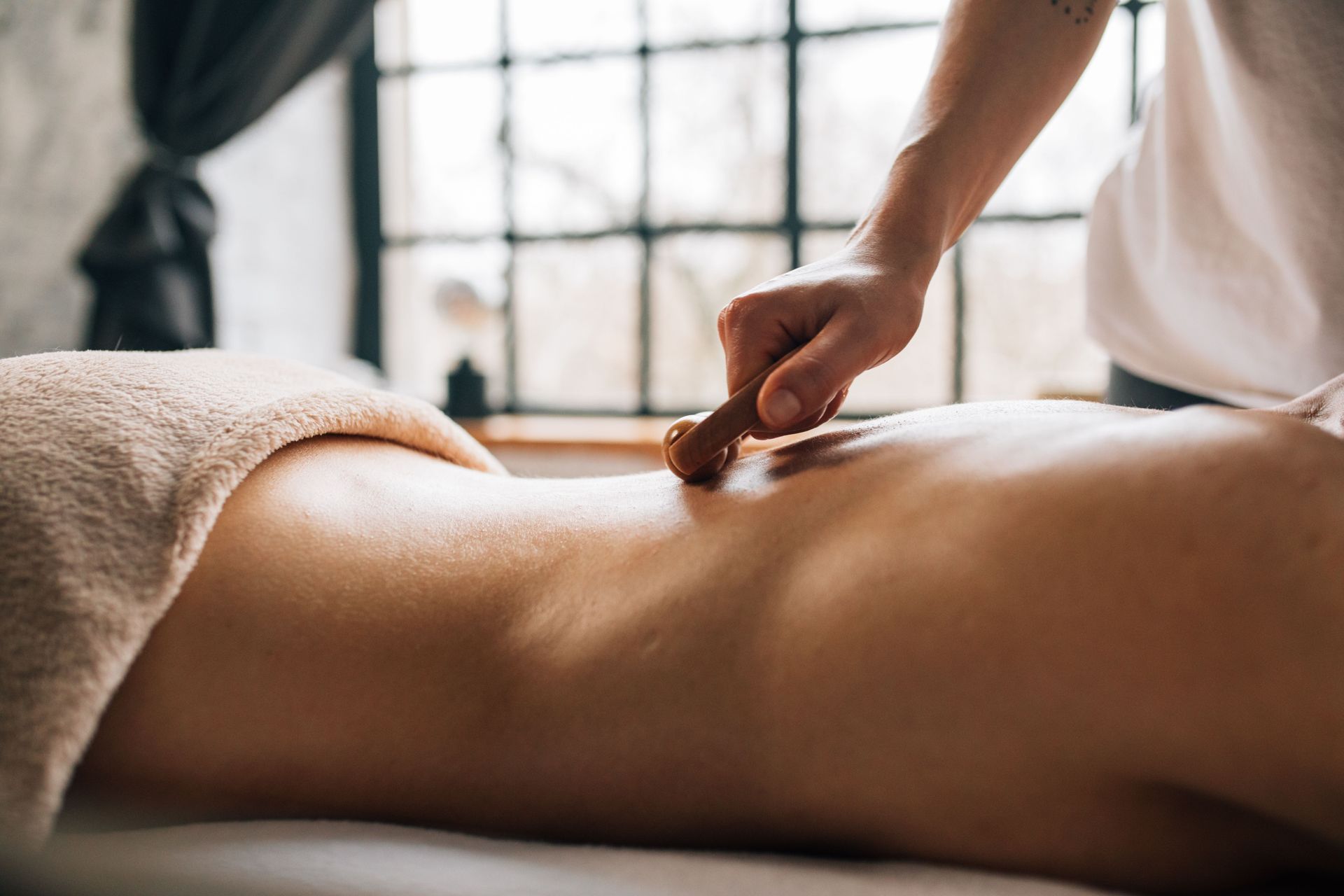
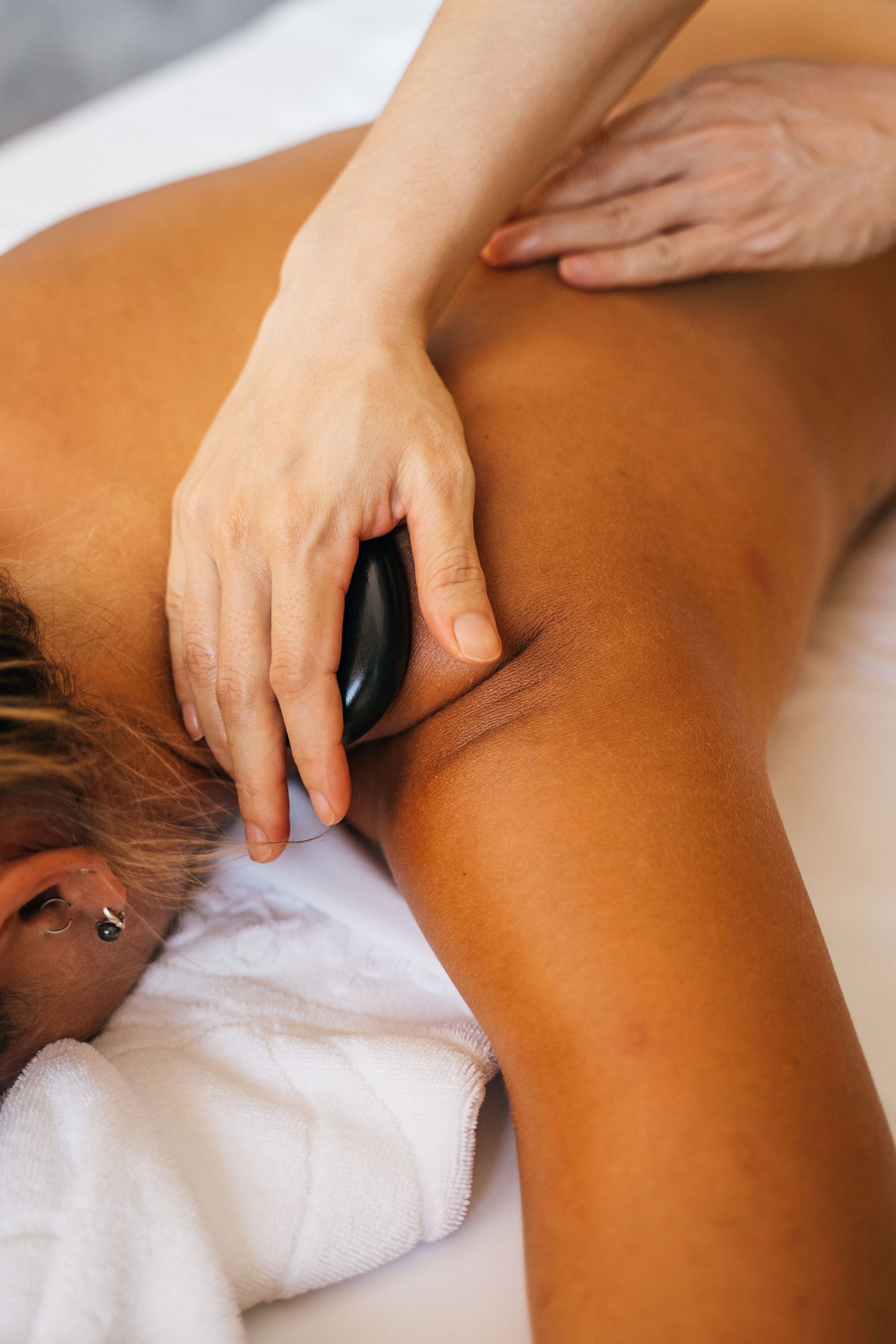
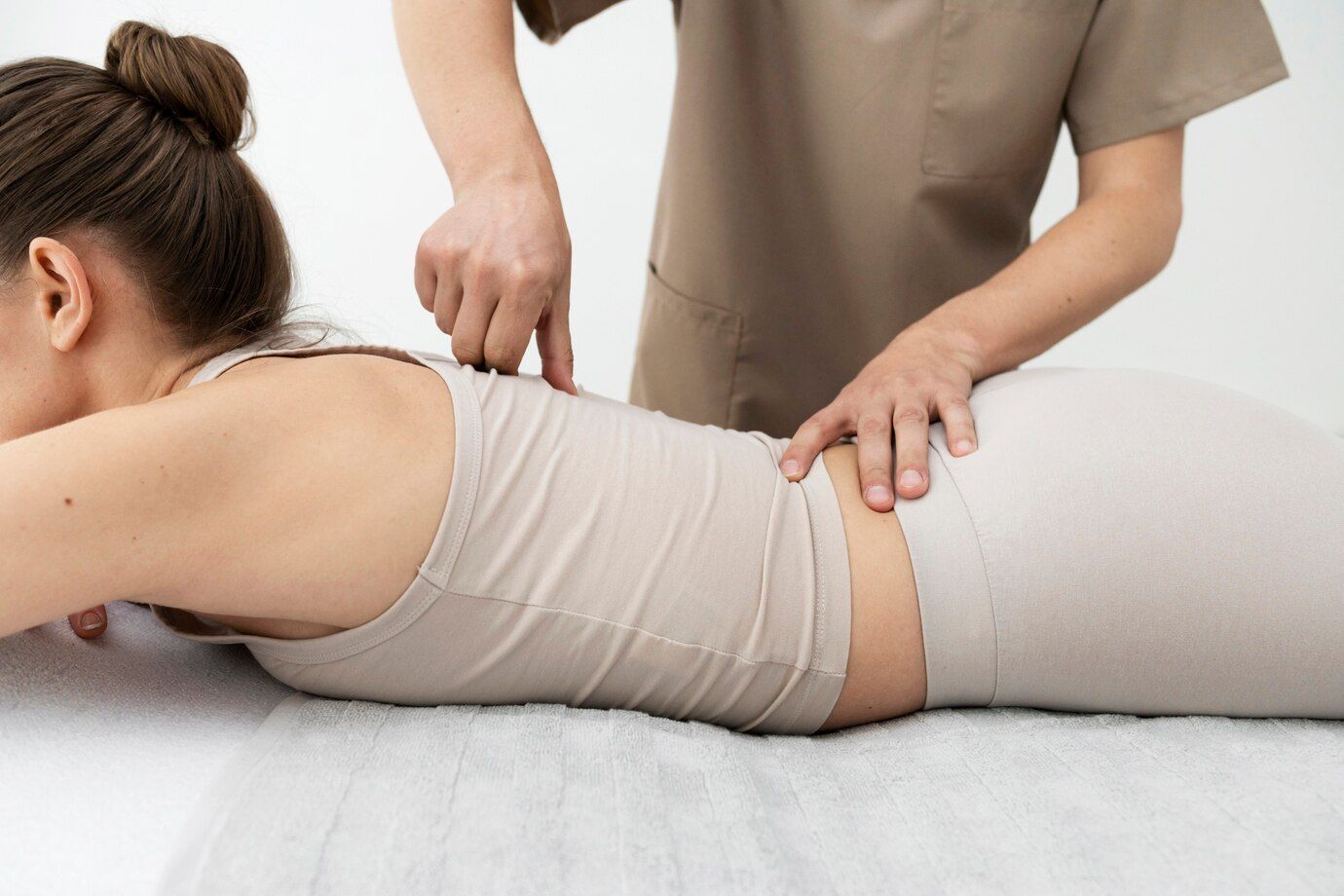
Instrument-assisted soft tissue mobilization, often called IASTM, uses a specialized tool to work on soft tissues that feel dense, restricted, tender, or affected by repetitive strain. In physiotherapy, this approach can be incorporated when an area requires more targeted attention.
Suction cups for muscle comfort and tissue mobility
Cupping, also known as vacuum therapy, can be used in sports massage to support tissue mobility and muscle comfort. It creates a suction effect on the skin that can be adapted according to the area, the client's sensitivity, and the session's objectives.
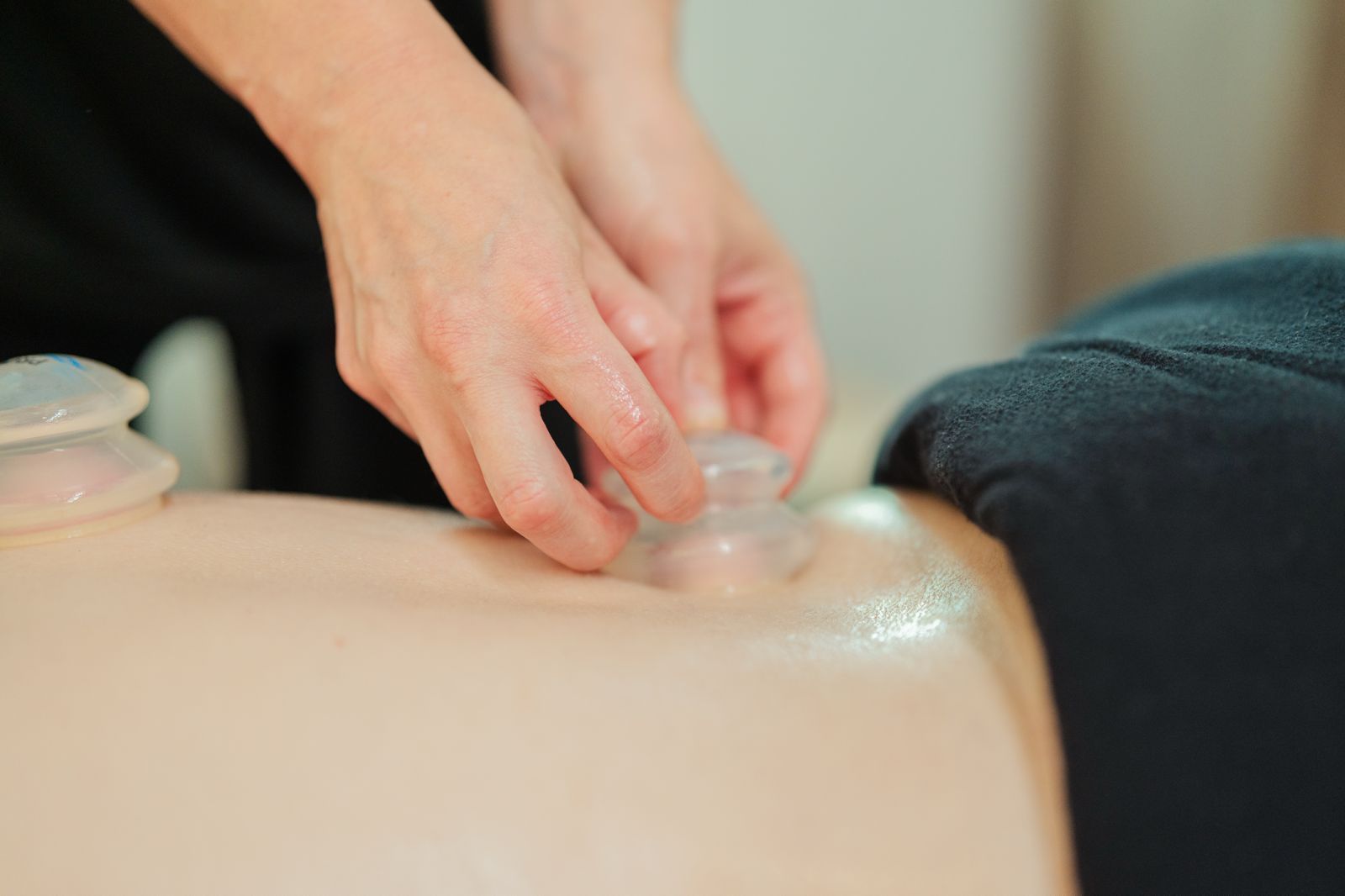
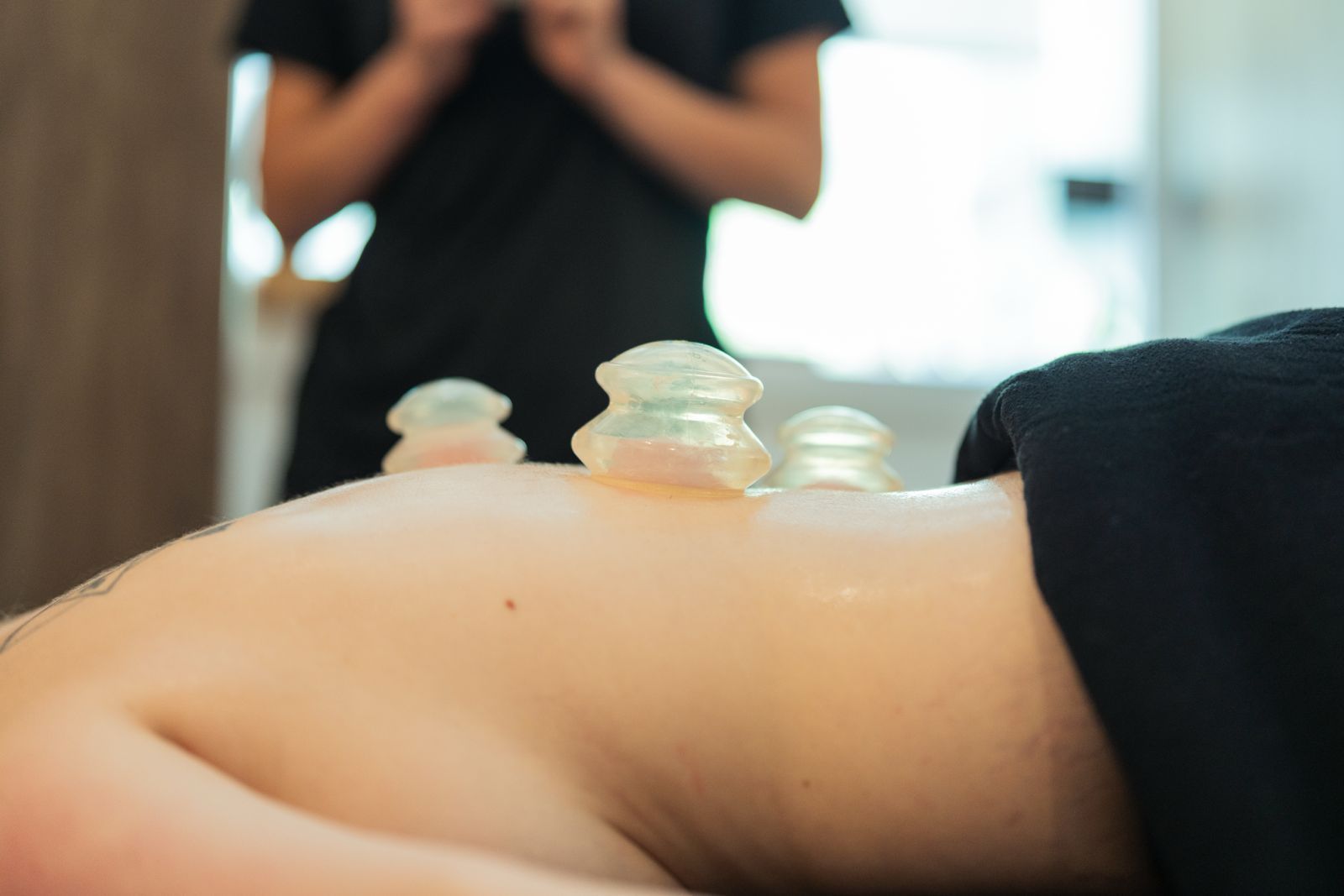
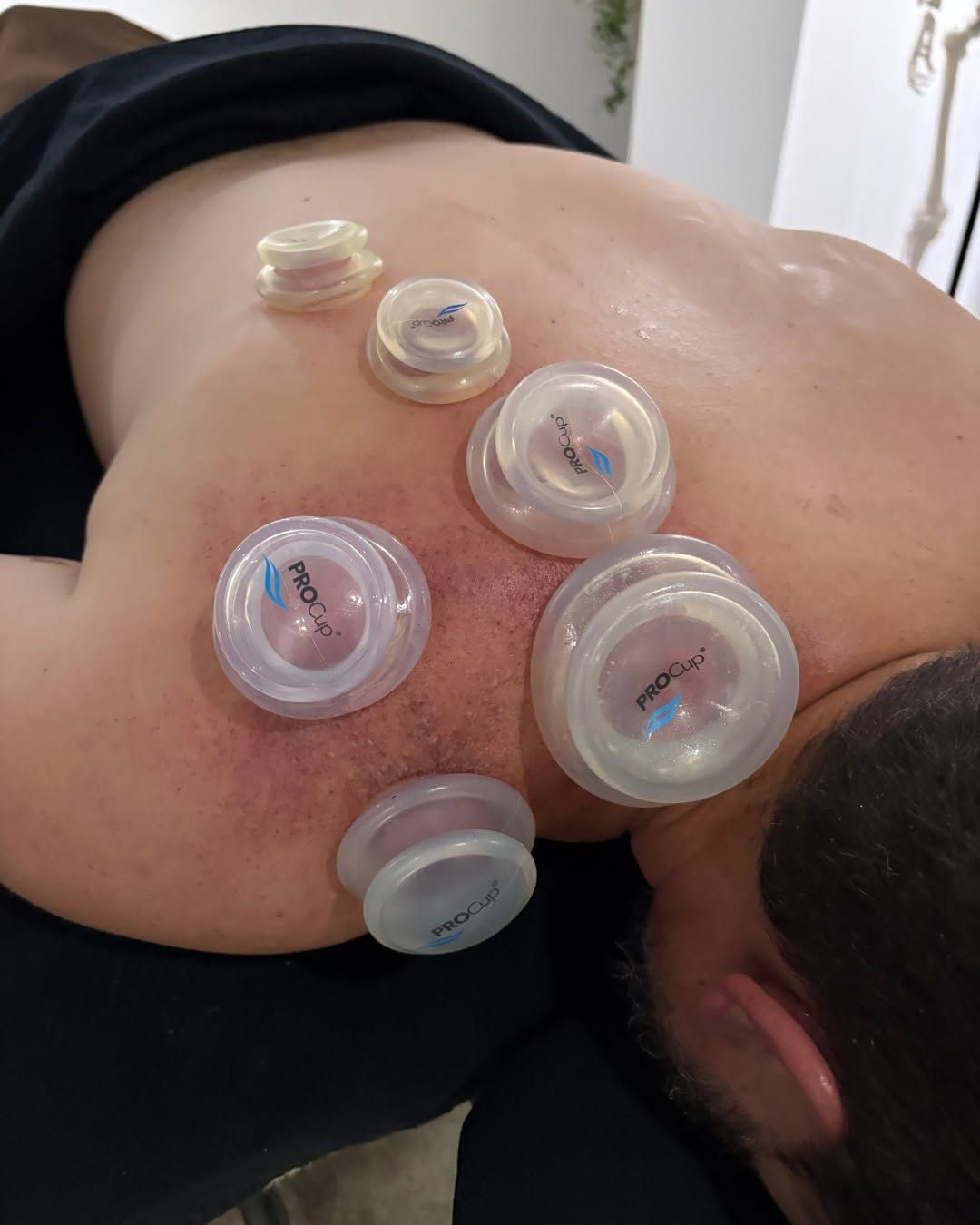
Cupping, also known as vacuum therapy, can be used in sports massage to support tissue mobility and muscle comfort. It creates a suction effect on the skin that can be adapted according to the area, the client's sensitivity, and the session's objectives.
Taping to support movement and activity
Taping is often used in sports medicine to support body awareness, movement, and comfort during activity. It can be applied to areas frequently stressed during training, repetitive movements, or physical exertion, such as the shoulder, knee, ankle, lower back, hip, elbow, or neck.
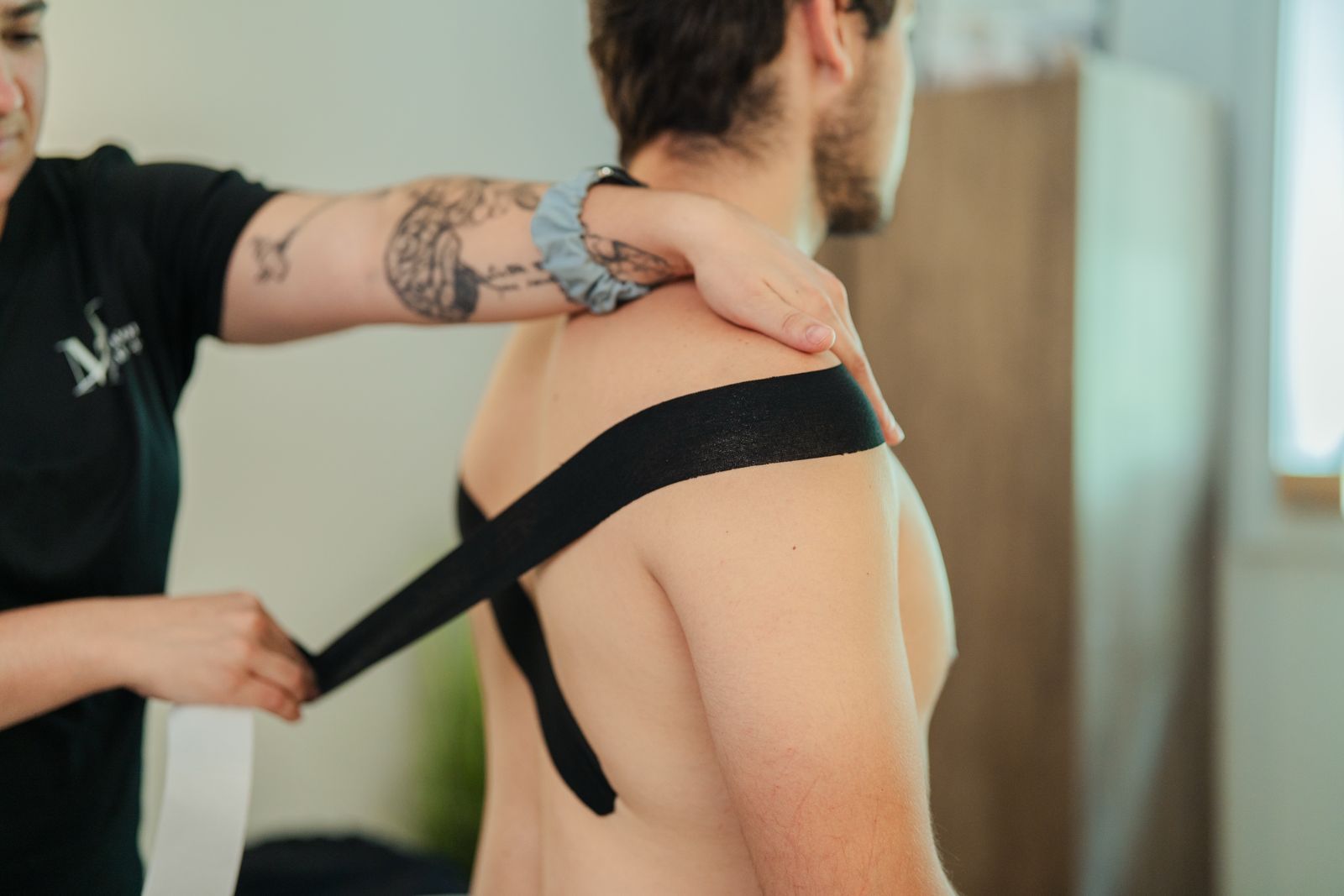
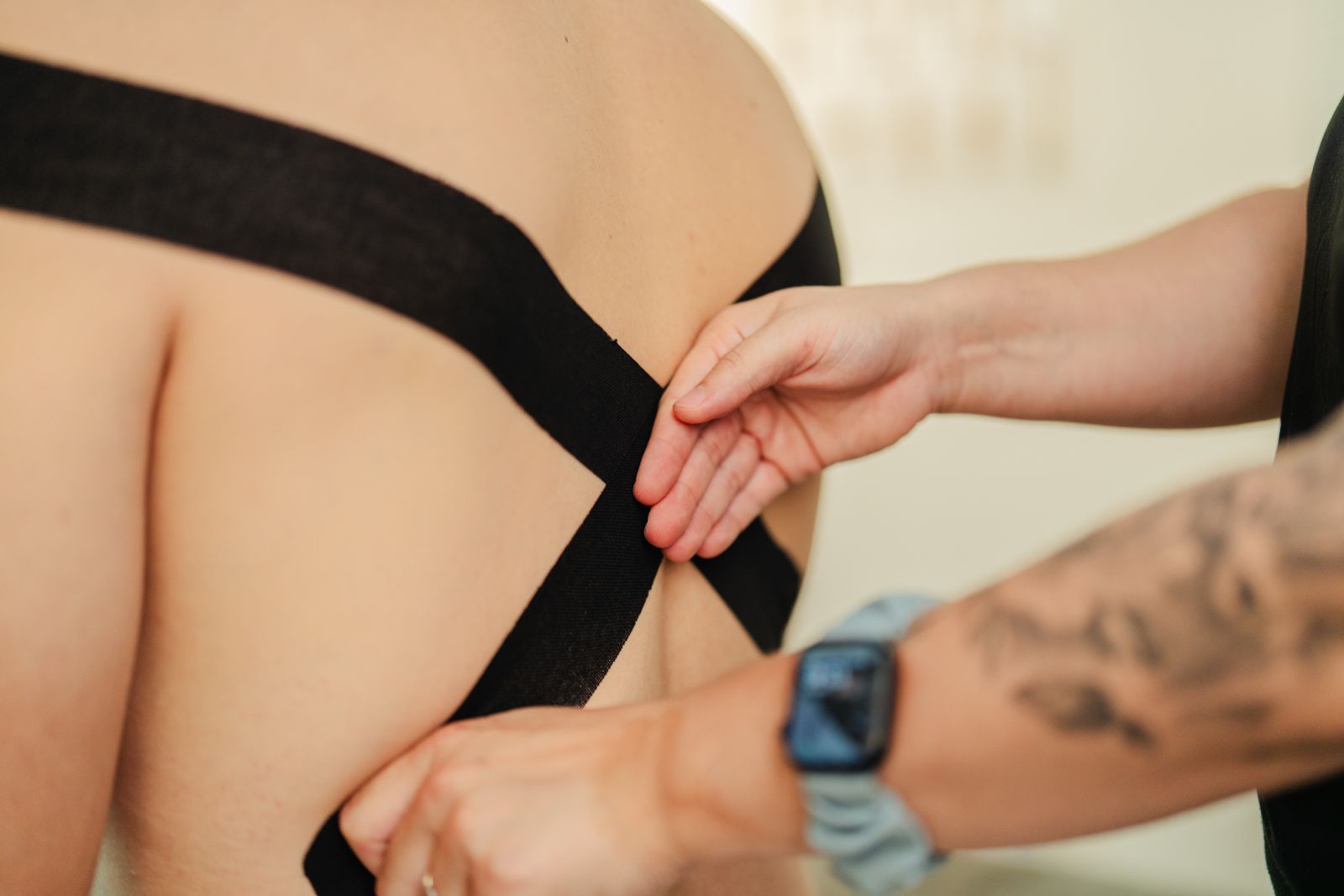
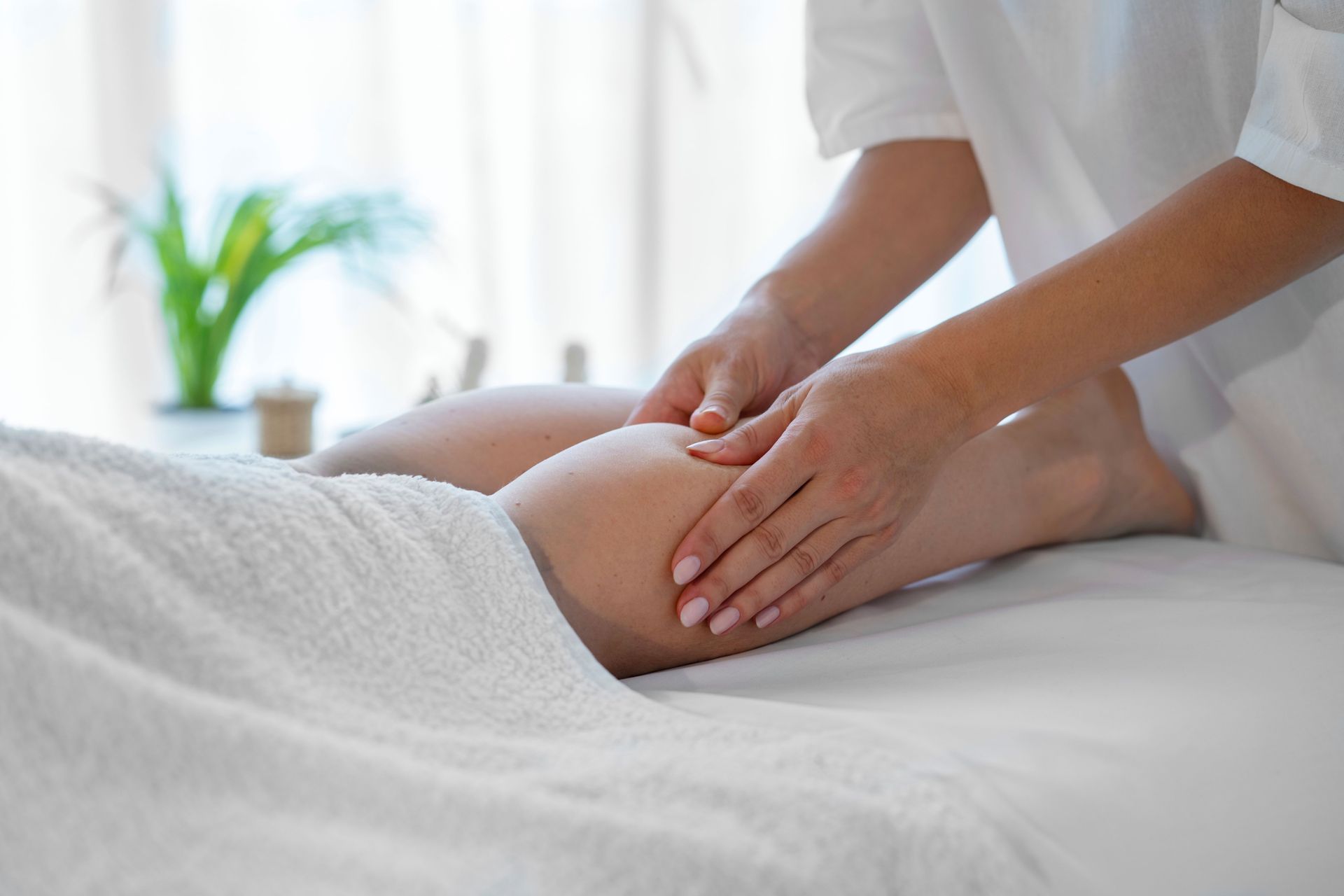
Taping is often used in sports medicine to support body awareness, movement, and comfort during activity. It can be applied to areas frequently stressed during training, repetitive movements, or physical exertion, such as the shoulder, knee, ankle, lower back, hip, elbow, or neck.
Trigger point for targeted muscle tension
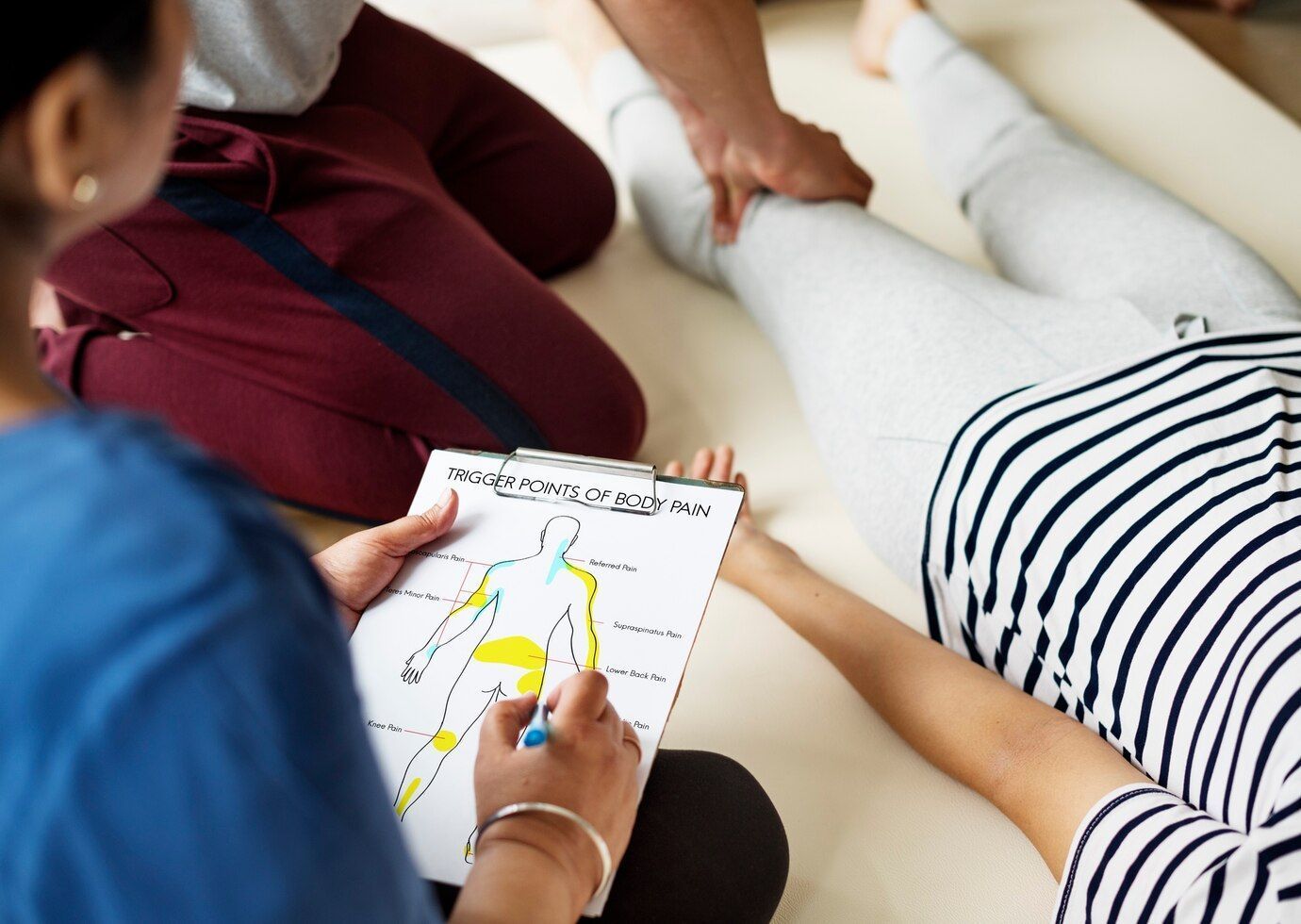
Trigger points target sensitive muscle areas that may feel like knots, tight bands, or localized areas of tension. These points can influence comfort, movement, and how the body compensates during daily activities.
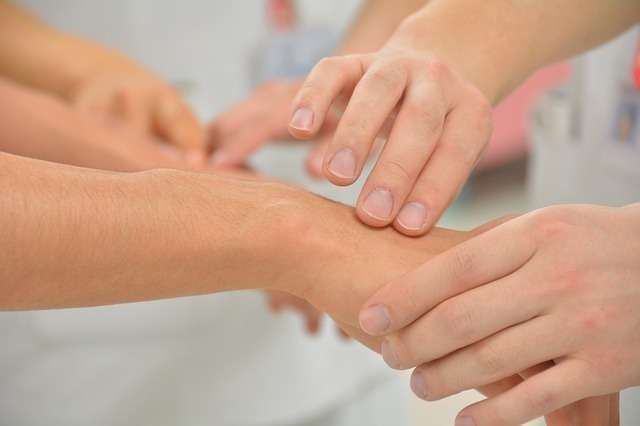
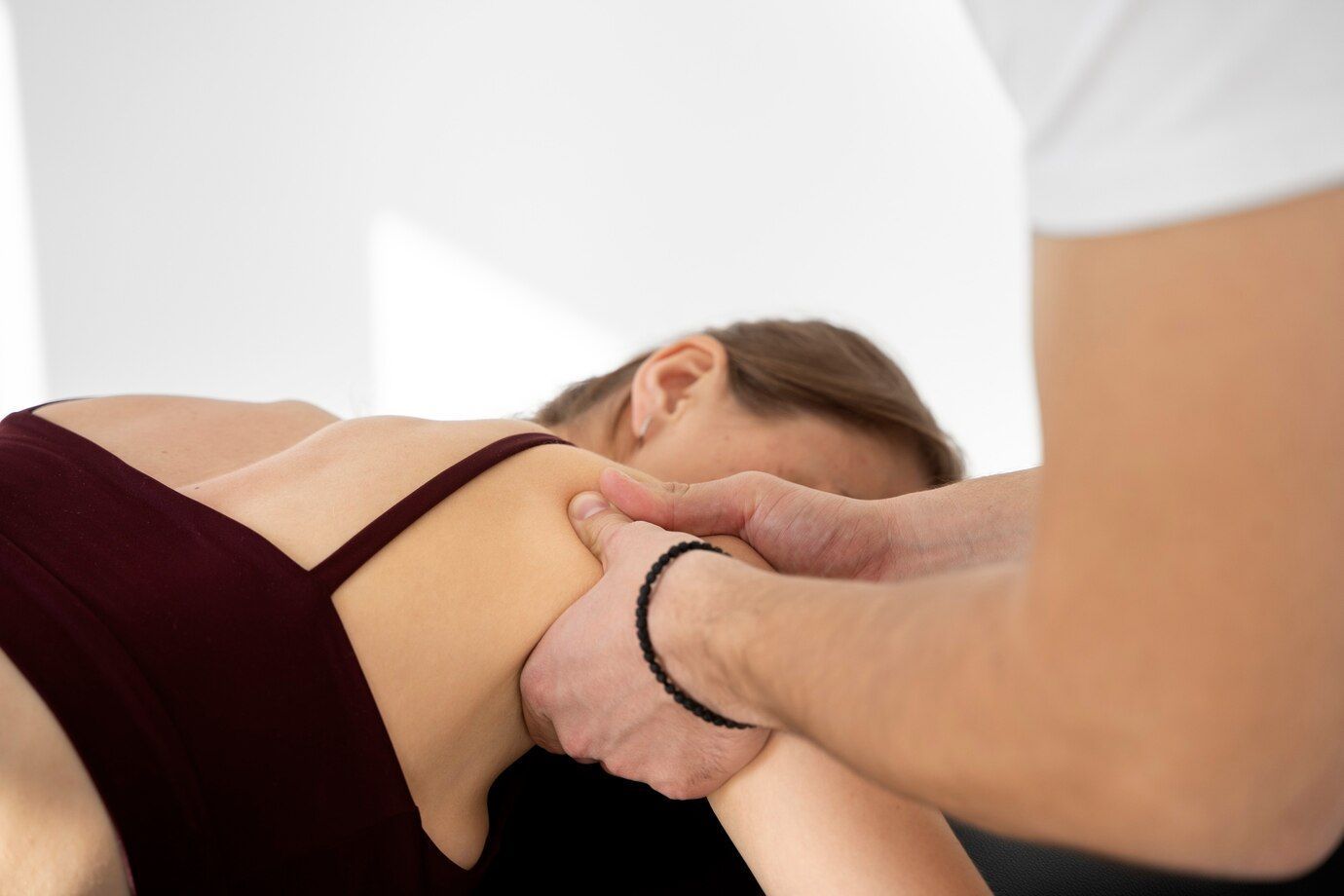
Trigger point therapy is used when a specific muscle area feels tense, tender, contracted, or is linked to discomfort felt in another part of the body. This approach is precise and tailored to your comfort. Pressure is applied gradually, with constant communication, to ensure the session respects your limits.
Postural analysis to better understand your compensations
Postural analysis helps to observe how the body holds itself, moves, and compensates. It can be useful when discomfort recurs frequently, when tension appears more on one side, or when movement seems restricted.
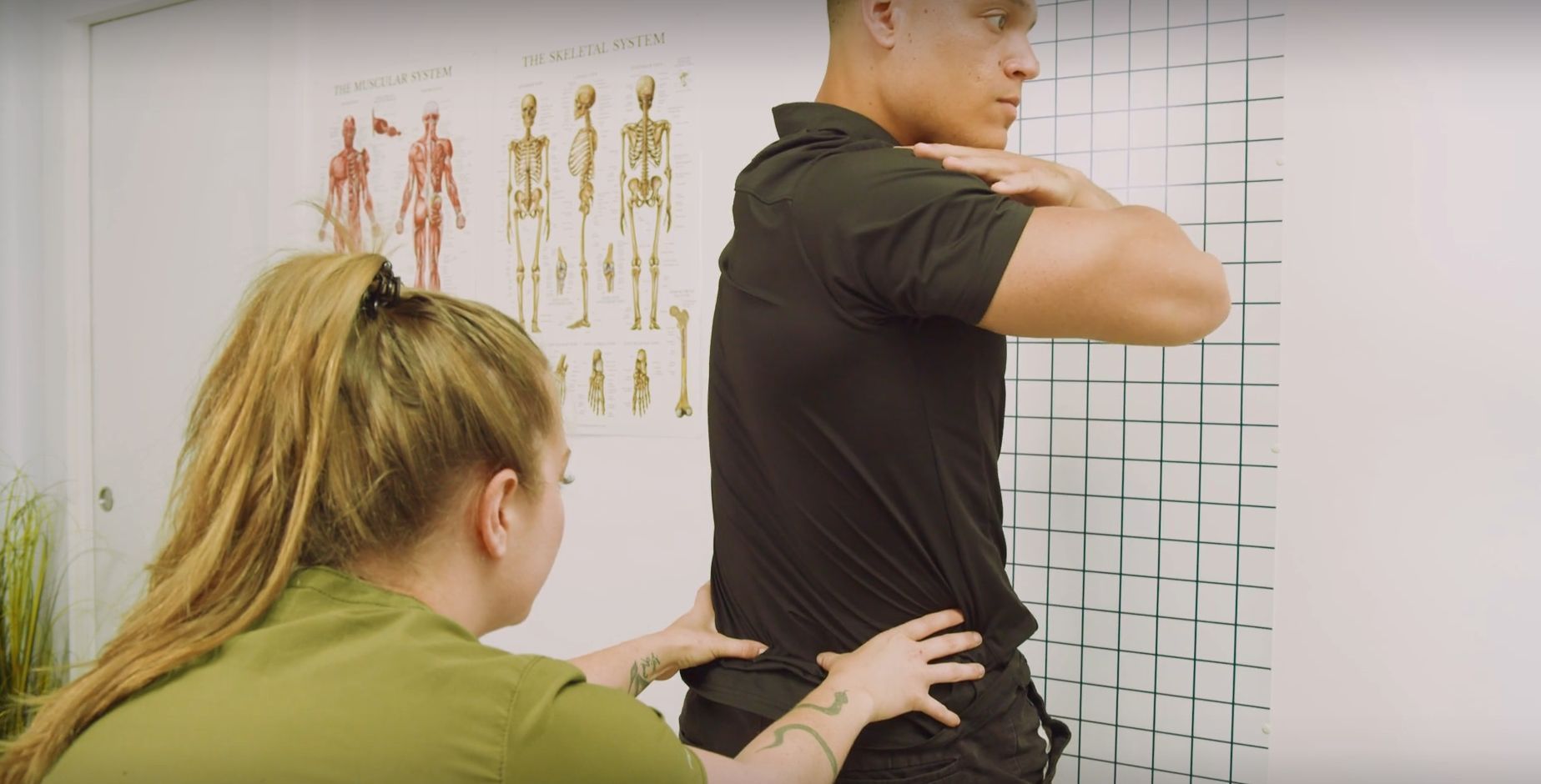
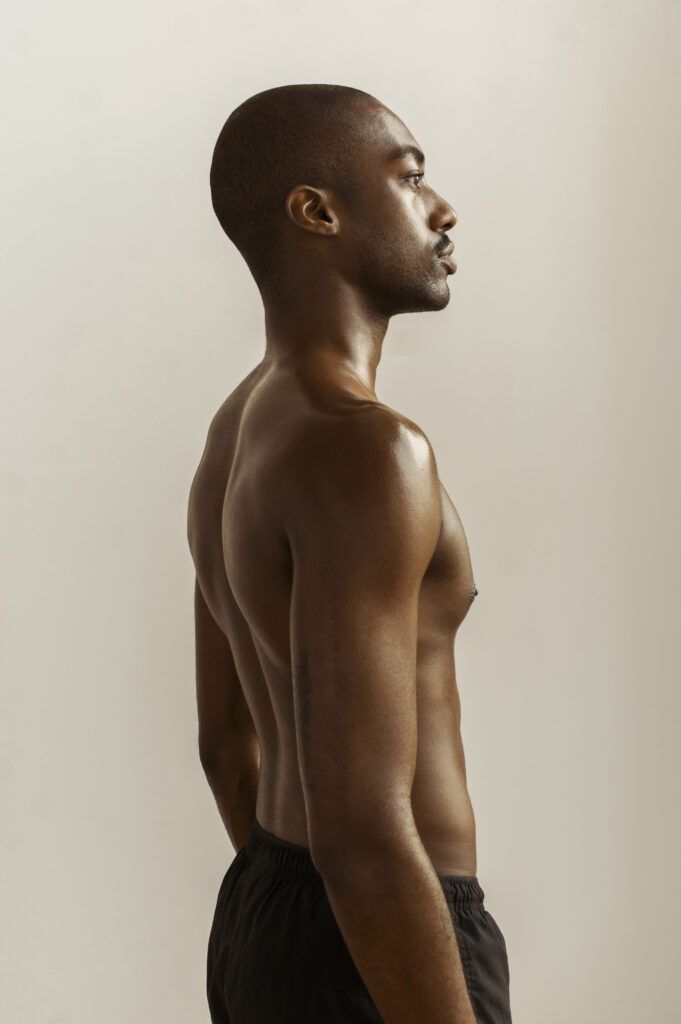
Postural analysis helps to observe how the body holds itself, moves, and compensates. It can be useful when discomfort recurs frequently, when tension appears more on one side, or when movement seems restricted.
Expertise in physiotherapy guided by listening, mobility and follow-up
Physiotherapy at Solution Santé is offered in a calm, professional, and personalized clinical environment. The approach is not based on a fixed routine. It is adapted to your body, your goals, and how your discomforts affect your daily movements.
The clinic's expertise is supported by massage therapy, physiotherapy, sports-oriented care, orthotherapy, prenatal care, cupping, taping, musculoskeletal mobilization, and continuing education. This foundation helps the team to collectively address posture, muscle tension, movement patterns, exertion, and recovery.
What distinguishes this approach:
- Personalized sessions tailored to your needs
- Care tailored to your mobility and comfort
- Attention to movement, posture, and muscle tension
- Clear communication before and during the session
- Pressure and techniques adapted to your tolerance
- Options such as IASTM, cupping, taping, and trigger point therapy
- Client files and notes to support continuity
- Adjustments from one session to the next
- A calm, clinical environment focused on quality of care
Find the right care for your body
Contact the clinic
FAQ
Frequently asked questions about physiotherapy
What is the purpose of physiotherapy?
Physiotherapy can support mobility, muscle comfort, posture, movement awareness, and functional ease. It is often chosen when stiffness, recurring tension, or reduced mobility affects daily life, work, or physical activity.
What is the difference between massage therapy and physiotherapy?
Massage therapy can focus on relaxation, muscle comfort, and tension release. Physiotherapy is often more movement-oriented and may include manual therapies, mobility support, postural awareness, and techniques tailored to functional comfort.
Can physiotherapy help with posture-related discomfort?
Physiotherapy can support postural comfort by taking into account movement habits, muscle tension, mobility restrictions, and compensatory mechanisms. Sessions can be adapted to work posture, sports activities, and daily routines.
Can physiotherapy include taping, cupping, or IASTM?
Yes. Depending on your needs and comfort, physiotherapy may include taping, cupping, IASTM instrument-assisted soft tissue mobilization, trigger point therapy, or postural analysis.
How often should I book a physiotherapy session?
The frequency depends on your discomforts, goals, lifestyle, activity level, and your body's response. Some clients book on an ad-hoc basis, while others benefit from regular sessions and clear follow-up when tension or mobility restrictions recur frequently.